
Artificial Intelligence (AI) is no longer something we only hear about in technology conferences or science fiction movies. Today, it has become an important part of our everyday lives, influencing how we communicate, work, shop, and even learn.
In 2026, AI is reshaping the education system faster than ever before. From personalized learning platforms and AI-powered tutors to automated assessments and smart classrooms, technology is making education more engaging and accessible.
For students, teachers, and parents, this transformation brings exciting opportunities along with new challenges. Understanding how AI is changing education can help everyone make the most of these advancements while using technology responsibly.
What Is AI in Education?
Artificial Intelligence in education refers to the use of intelligent software and machine learning technologies to improve the learning experience.
Instead of providing the same lessons to every student, AI can understand individual learning patterns and recommend content based on each student’s strengths and weaknesses.
This makes learning more personalized and effective.
Why AI Is Becoming Important in Education
Today’s students have access to more information than any previous generation.
However, having information is not enough.
Students also need guidance, personalized support, and practical learning experiences.
AI helps bridge this gap by providing instant assistance and customized recommendations.
Some reasons why AI is becoming important include:
- Personalized learning experiences
- Faster access to information
- Interactive learning methods
- Better exam preparation
- Improved classroom engagement
- Efficient administrative tasks
1. Personalized Learning
Every student learns differently.
Some understand concepts quickly, while others need additional explanations.
AI-powered learning platforms can identify each student’s learning style and recommend lessons that match their pace.
Instead of following a one-size-fits-all approach, students receive customized learning experiences that improve understanding and confidence.
2. AI Tutors Available 24/7
One of the biggest advantages of AI is that students can get help anytime.
Unlike traditional tuition classes, AI-powered tutors are available throughout the day.
Students can ask questions, solve practice problems, and receive explanations whenever they need assistance.
This encourages self-learning and independent problem-solving.
3. Faster Research and Learning
Students often spend hours searching for reliable information.
AI tools can summarize long articles, explain difficult topics in simple language, and organize information into easy-to-understand notes.
However, students should always verify information using trusted academic sources before including it in assignments or research projects.
4. Smart Classrooms
Modern classrooms are becoming more interactive with AI-powered technologies.
Teachers can use:
- Interactive smart boards
- Digital quizzes
- AI attendance systems
- Virtual laboratories
- Real-time student performance tracking
These tools help make learning more engaging and efficient.
5. Better Exam Preparation
AI-powered applications help students prepare more effectively by offering:
- Personalized study plans
- Mock tests
- Performance analysis
- Revision reminders
- Instant feedback
Students can identify weak areas and focus their preparation accordingly.
6. Supporting Teachers
AI is not replacing teachers.
Instead, it is helping teachers reduce repetitive tasks.
Teachers can use AI to:
- Create lesson plans
- Prepare quizzes
- Evaluate assignments
- Track student progress
- Generate classroom reports
This gives teachers more time to focus on teaching and mentoring students.
Challenges of AI in Education
Although AI offers many benefits, there are also challenges that cannot be ignored.
Some concerns include:
- Data privacy
- Overdependence on AI
- Digital inequality
- Misinformation
- Reduced critical thinking if AI is misused
Students should use AI as a learning assistant rather than relying on it for every answer.
Skills Students Need in the AI Era
As AI becomes more common, students should focus on developing skills that complement technology.
These include:
- Critical thinking
- Creativity
- Communication
- Problem-solving
- Digital literacy
- Emotional intelligence
- Teamwork
These human skills will continue to be valuable even as technology evolves.
Tips for Using AI Responsibly
To make the most of AI in education:
- Use AI to understand concepts, not to copy assignments.
- Always verify facts from trusted sources.
- Continue reading textbooks and reference materials.
- Practice solving problems independently.
- Respect academic integrity and avoid plagiarism.
Responsible use of AI helps students become better learners while maintaining honesty and originality.
What Does the Future Look Like?
Experts believe AI will continue to play a bigger role in education over the coming years.
Future classrooms may include:
- Virtual reality learning experiences
- AI-powered career guidance
- Intelligent language translation
- Personalized career recommendations
- Real-time learning analytics
While technology will continue to evolve, teachers, parents, and students will remain at the heart of education.
Final Thoughts
Artificial Intelligence is changing education in exciting and meaningful ways. It is making learning more accessible, personalized, and engaging for students around the world.
However, technology should never replace curiosity, creativity, or critical thinking. The best approach is to combine AI with traditional learning methods to develop both knowledge and practical skills.
Students who learn how to use AI responsibly today will be better prepared for the careers and opportunities of tomorrow.
Frequently Asked Questions
Can AI replace teachers?
No. AI can support teaching by providing additional resources and automating repetitive tasks, but teachers remain essential for guidance, mentorship, and personal interaction.
Is AI useful for school students?
Yes. AI can help students understand difficult concepts, create study plans, practice questions, and improve learning efficiency.
Which AI tools are best for students?
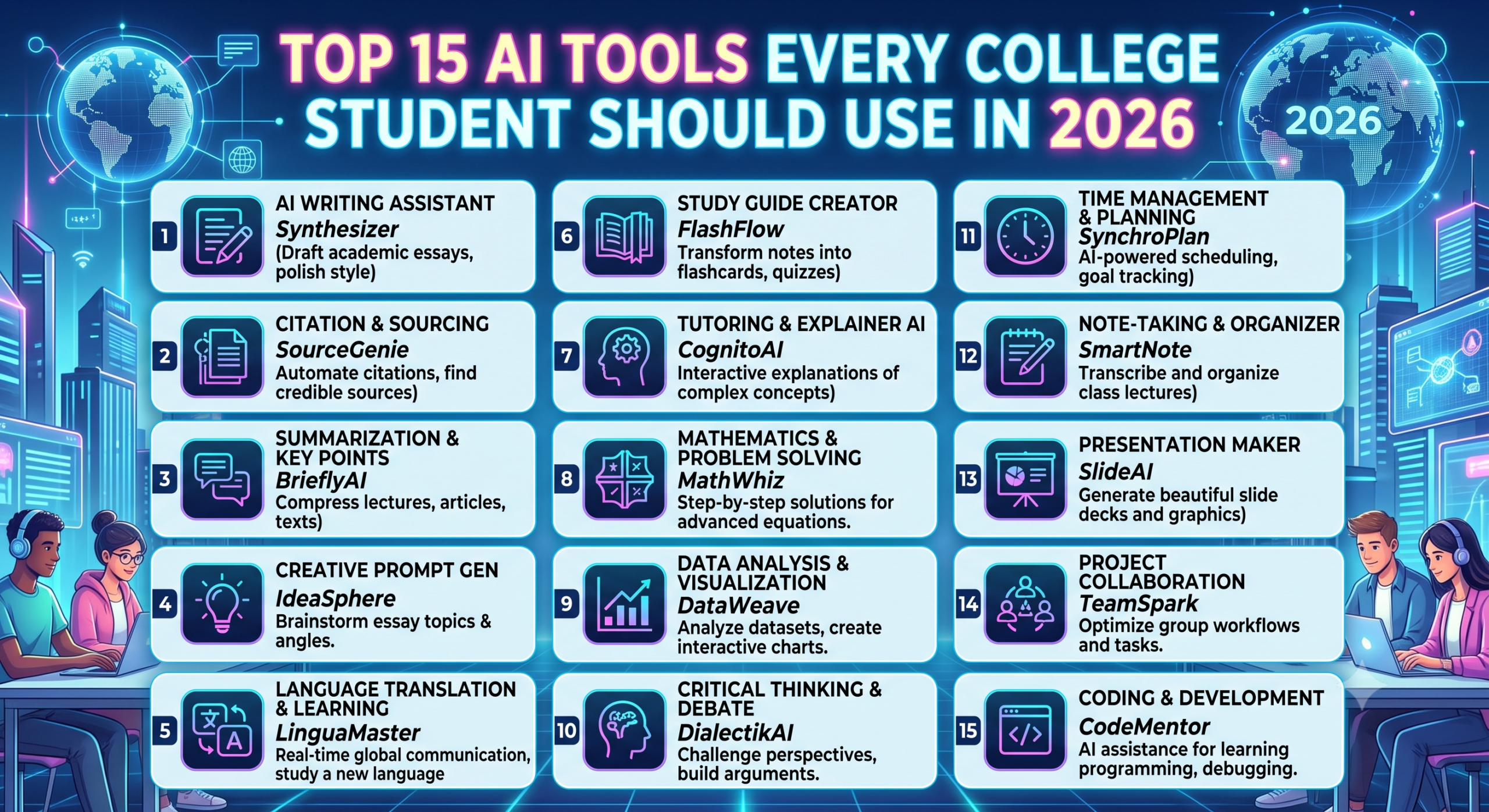
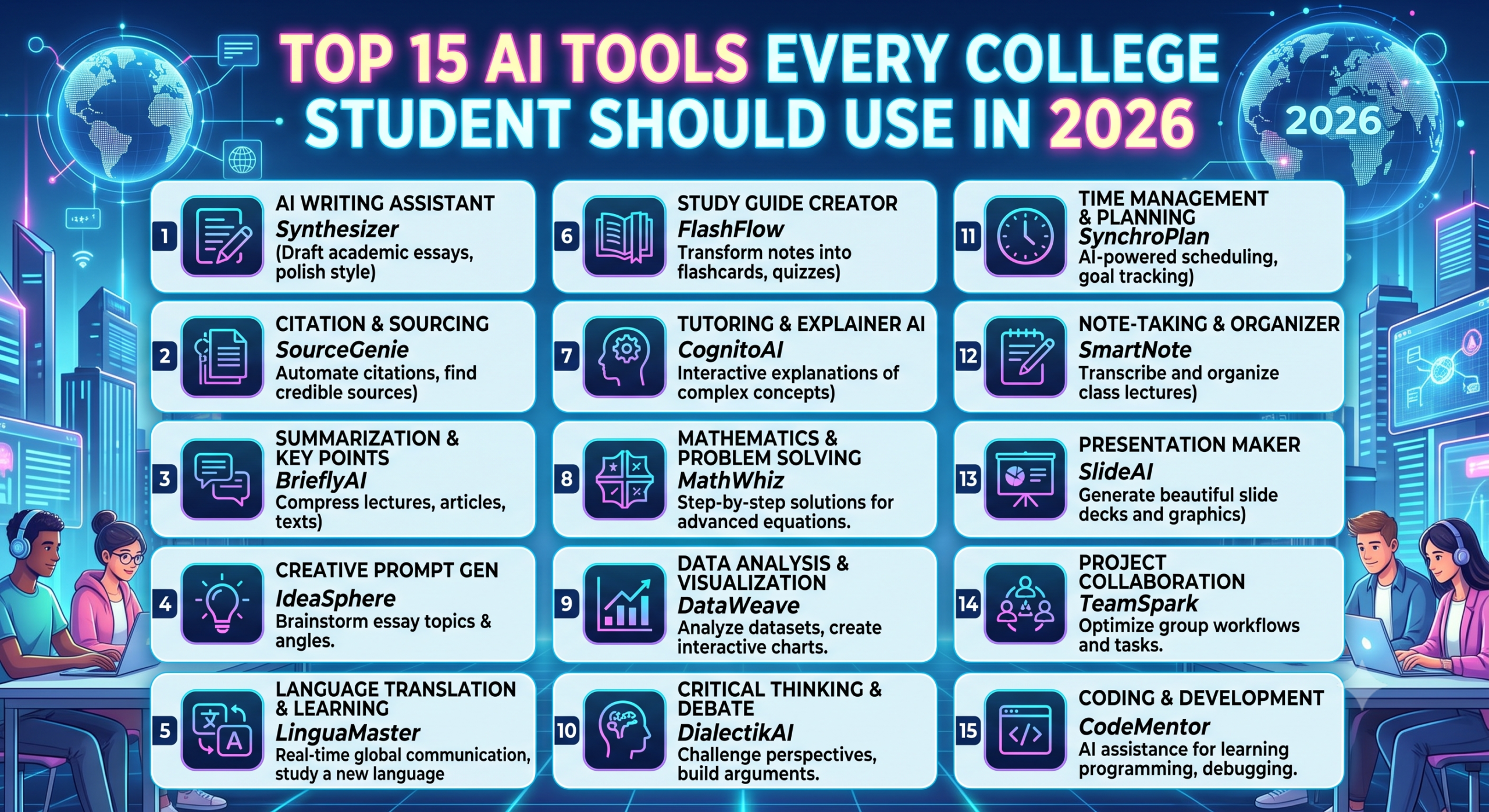
Popular AI tools include ChatGPT, Google Gemini, Microsoft Copilot, Perplexity AI, Grammarly, and Khanmigo.
Is using AI for homework considered cheating?
Using AI to understand concepts or improve learning is acceptable in many cases, but submitting AI-generated work as your own may violate your school’s academic integrity policies.