
Imagine walking into your first job five or ten years from now. Your office looks different. Many routine tasks are completed by Artificial Intelligence, meetings are summarized automatically, customer support is handled by AI assistants, and reports are generated within seconds.
This isn’t science fiction anymore. It’s already happening.
From writing emails to analyzing data, AI tools are becoming part of everyday work. Naturally, many students are asking the same question:
“Will AI take away my future job?”
It’s an important concern, especially for students who are deciding what to study after school or college. The answer, however, is not as simple as “yes” or “no.”
Let’s understand what AI really means for the future of work.
AI Is Changing Jobs, Not Eliminating All of Them
Every major technological revolution has changed the way people work.
When computers became common, many people feared that office jobs would disappear. Instead, new careers like software development, digital marketing, and IT support emerged.
The same is happening with AI.
Artificial Intelligence can perform repetitive, rule-based tasks much faster than humans. But creativity, leadership, emotional intelligence, and decision-making still require human involvement.
Instead of replacing everyone, AI is changing the nature of many jobs.
Which Jobs Are Most Likely to Change?
Jobs that involve repetitive and predictable tasks are more likely to be affected.
Examples include:
- Basic data entry
- Simple bookkeeping
- Routine customer support
- Basic content generation
- Manual report preparation
- Repetitive administrative work
This doesn’t mean these careers will disappear overnight. It means professionals working in these fields will need to learn new tools and upgrade their skills.
Careers That Are Expected to Grow
While AI automates some work, it is also creating demand for entirely new professions.
Some of the fastest-growing careers include:
Artificial Intelligence Engineer
Professionals who design and improve AI systems.
Cybersecurity Specialist
Experts who protect organizations from cyber threats.
Data Scientist
People who analyze data and help companies make smarter decisions.
Cloud Computing Engineer
Professionals who manage cloud-based infrastructure.
Renewable Energy Engineer
Experts working on sustainable technologies and clean energy.
Healthcare Professional
Doctors, nurses, therapists, and healthcare specialists continue to play an essential role because patient care requires empathy and human judgment.
Jobs AI Cannot Easily Replace
Some careers depend heavily on human interaction, creativity, and emotional understanding.
These include:
- Teachers
- Doctors
- Psychologists
- Lawyers
- Architects
- Entrepreneurs
- Researchers
- Designers
- Skilled trades
- Business leaders
AI can assist these professionals, but it cannot replace the human qualities that make these careers successful.
The Skills That Will Matter Most
Instead of worrying about AI, students should focus on building skills that technology cannot easily copy.
Some of the most valuable skills include:
- Critical thinking
- Communication
- Problem-solving
- Creativity
- Leadership
- Emotional intelligence
- Adaptability
- Digital literacy
- Teamwork
Students who combine these abilities with technical knowledge will have a significant advantage.
Should Students Learn AI?
Absolutely.
You don’t need to become an AI engineer to benefit from AI.
Understanding how to use AI tools responsibly can improve productivity in almost every profession.
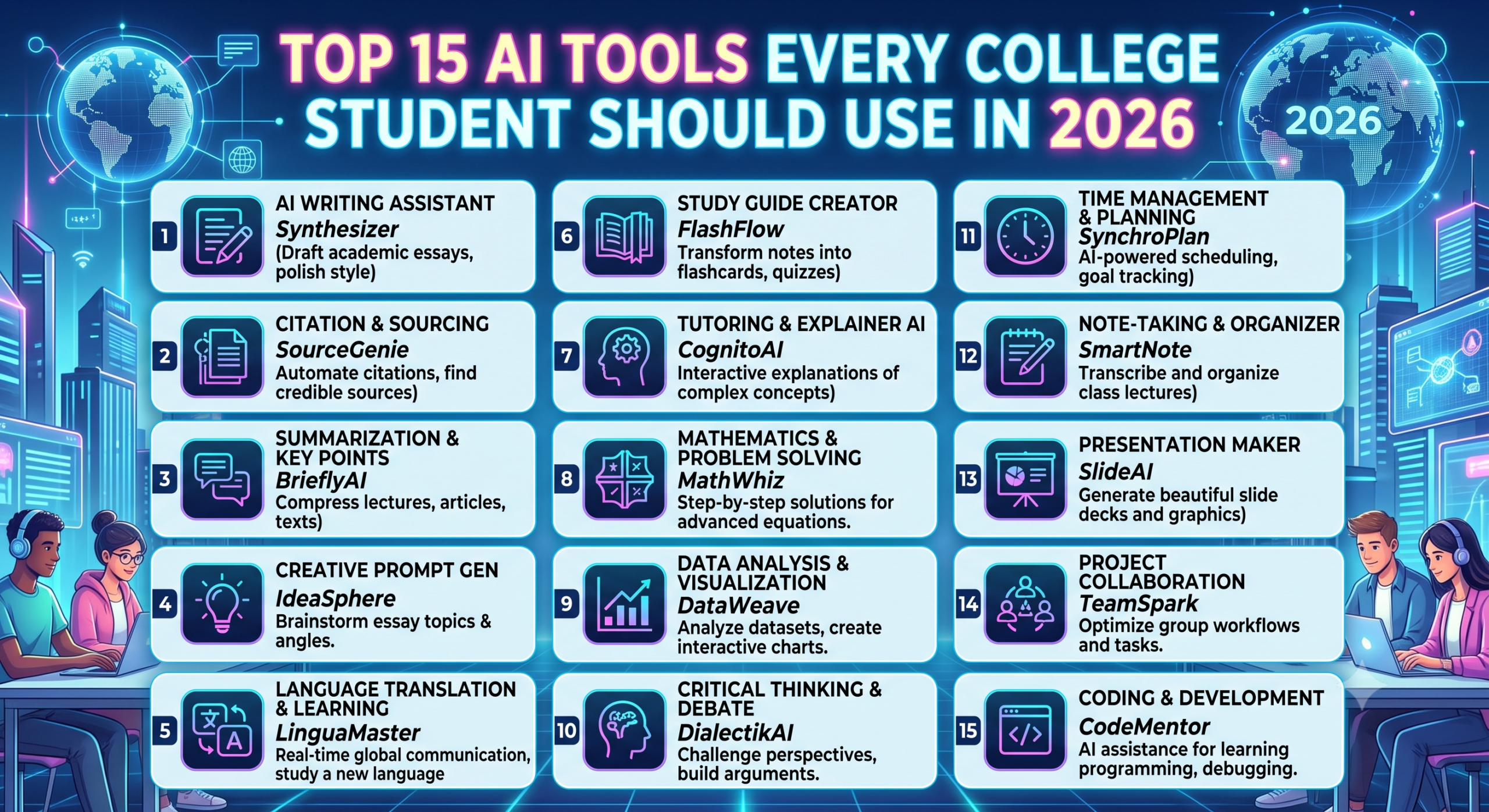
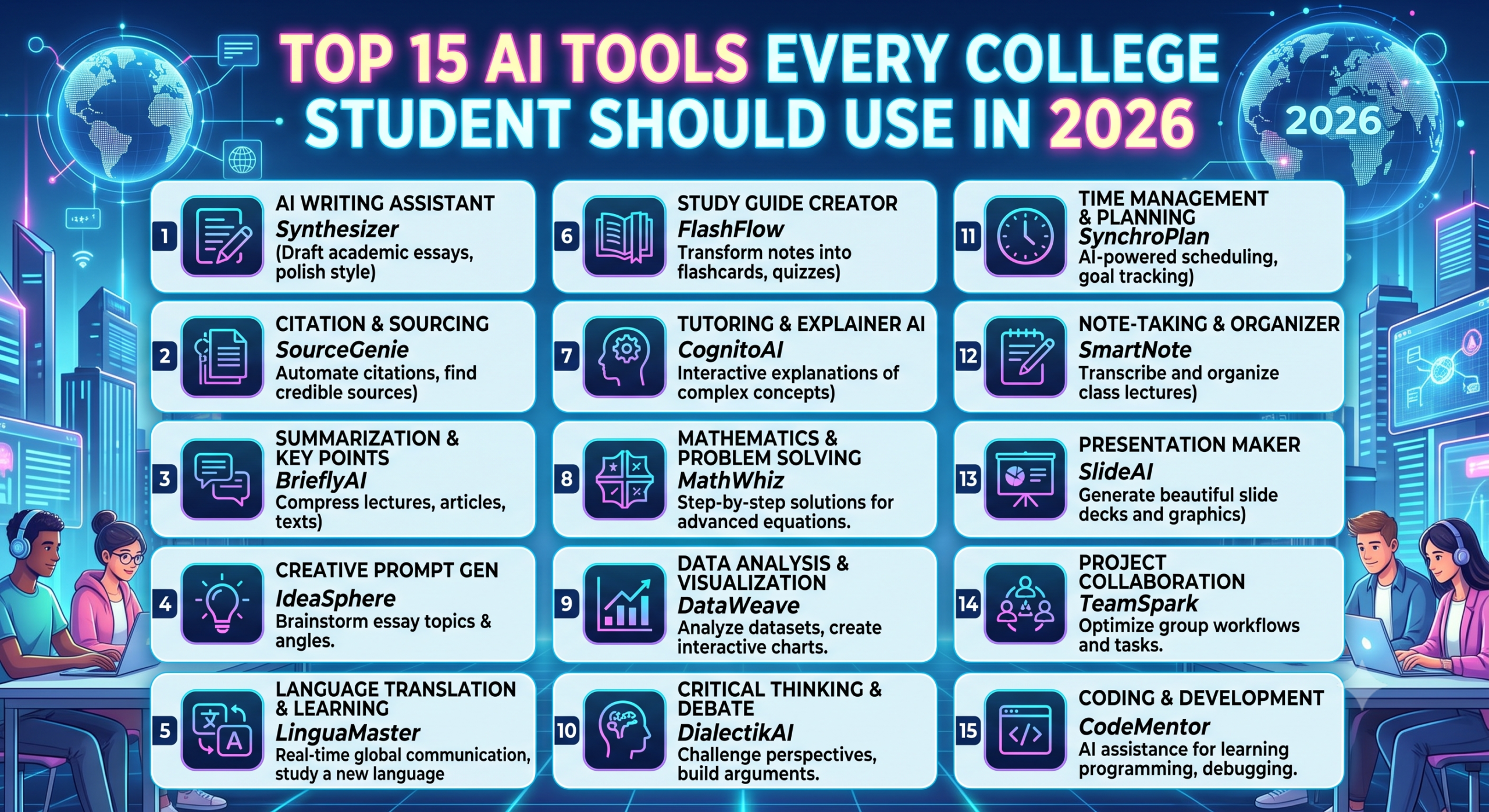
Students can use AI to:
- Organize study notes
- Understand difficult concepts
- Practice coding
- Improve writing
- Brainstorm ideas
- Prepare presentations
The goal should always be to learn with AI, not depend entirely on it.
Common Myths About AI
Myth 1: AI will replace every job.
Reality: AI will automate certain tasks, but it will also create many new opportunities.
Myth 2: Only computer science students need AI knowledge.
Reality: AI is becoming useful in healthcare, education, finance, law, design, marketing, and many other fields.
Myth 3: Learning AI is difficult.
Reality: Many beginner-friendly tools and free courses are available online.
How Students Can Prepare for the Future
Preparing for the future doesn’t require expensive courses.
Start with simple steps:
- Learn one digital skill every few months.
- Improve communication skills.
- Read about emerging technologies.
- Build small projects.
- Create a LinkedIn profile.
- Complete online certifications.
- Stay curious and keep learning.
Remember, continuous learning is one of the biggest advantages you can give yourself.
Final Thoughts
Artificial Intelligence is changing the workplace, but it isn’t replacing human potential.
The students who succeed in the coming years won’t necessarily be the ones with the highest marks. They’ll be the ones who are willing to learn new skills, adapt to change, and use technology wisely.
Rather than asking, “Will AI replace me?”, ask yourself:
“How can I work with AI to become even better?”
That simple change in mindset can make all the difference.
Frequently Asked Questions
Will AI replace software engineers?
AI can automate parts of coding, but software engineers are still needed to design, build, test, and improve software systems.
Which jobs are safest from AI?
Jobs requiring creativity, leadership, emotional intelligence, and human interaction are less likely to be fully automated.
Should school students start learning AI?
Yes. Even basic knowledge of AI tools and digital literacy can help students prepare for future careers.
Is AI good or bad for students?
AI is a powerful learning tool when used responsibly. It can improve understanding and productivity, but students should avoid relying on it to complete all of their work