
College is one of the most exciting phases of life. It’s a time to make new friends, explore your interests, and prepare for the future. However, it’s also a period where the choices you make can significantly influence your career.
Many students believe that earning good grades alone is enough to secure a great job after graduation. While academics are important, employers today look for much more than a degree. They value practical skills, communication, leadership, adaptability, and real-world experience.
Unfortunately, many students realize too late that they missed valuable opportunities during their college years. The good news is that these mistakes are avoidable if you recognize them early.
Here are 15 common mistakes students make during college and how you can avoid them to build a successful career.
1. Focusing Only on Grades
Scoring high marks is an achievement, but grades alone rarely guarantee employment.
Employers also evaluate:
- Practical skills
- Problem-solving ability
- Communication
- Projects
- Internships
- Teamwork
Maintain good academic performance while investing time in skill development.
2. Ignoring Skill Development
The job market changes rapidly.
Students who spend all their time studying textbooks often miss opportunities to learn industry-relevant skills.
Depending on your career goals, consider learning:
- Artificial Intelligence (AI)
- Data Analysis
- Web Development
- Digital Marketing
- UI/UX Design
- Excel
- SQL
- Python
Even learning one new skill each semester can make a big difference.
3. Not Applying for Internships Early
Many students wait until their final year before searching for internships.
This limits their opportunities and leaves little time to gain practical experience.
Start applying from your first or second year, even if the internships are unpaid or short-term.
Experience builds confidence and strengthens your resume.
4. Avoiding Real Projects
Watching tutorials is helpful, but employers want evidence that you can apply what you’ve learned.
Build projects such as:
- Websites
- Mobile apps
- Dashboards
- Research papers
- Business case studies
- Marketing campaigns
Projects showcase your abilities better than certificates alone.
5. Neglecting Communication Skills
Technical knowledge is valuable, but if you cannot communicate your ideas effectively, your growth may be limited.
Work on:
- Public speaking
- Presentation skills
- Professional writing
- Active listening
- Group discussions
Good communication helps in interviews, internships, and leadership roles.
6. Depending Only on Classroom Learning
College provides a strong academic foundation, but industries evolve faster than university curricula.
Supplement your education by:
- Taking online courses
- Reading industry blogs
- Attending webinars
- Following technology trends
- Learning new tools
Continuous learning keeps you ahead.
7. Ignoring LinkedIn
Many students create a LinkedIn profile only after graduation.
Instead, start building your professional presence during college.
Share your projects, connect with professionals, participate in discussions, and showcase your achievements.
A strong LinkedIn profile can attract recruiters and internship opportunities.
8. Not Building a Portfolio
A resume tells employers about your skills.
A portfolio shows them.
Depending on your field, your portfolio could include:
- GitHub projects
- Websites
- UI/UX designs
- Writing samples
- Videos
- Data dashboards
- Marketing campaigns
A portfolio demonstrates practical ability and sets you apart from other candidates.
9. Avoiding Networking
Many career opportunities come through referrals and professional connections.
Networking doesn’t mean asking everyone for a job.
Instead:
- Attend seminars
- Join student clubs
- Participate in hackathons
- Connect with alumni
- Engage with professionals on LinkedIn
Building relationships can open doors to internships and mentorship.
10. Fear of Failure
Some students avoid competitions, interviews, or internships because they’re afraid of rejection.
Every successful professional has faced setbacks.
Treat failures as learning experiences and keep improving.
The students who keep trying often achieve the greatest success.
11. Poor Time Management
Balancing academics, extracurricular activities, internships, and personal life requires effective planning.
Without good time management, students often miss deadlines and opportunities.
Simple habits like using a calendar, setting weekly goals, and avoiding procrastination can improve productivity.
12. Ignoring Soft Skills
Technical expertise alone isn’t enough.
Employers also look for:
- Leadership
- Teamwork
- Emotional intelligence
- Adaptability
- Creativity
- Problem-solving
These qualities help you succeed in any workplace.
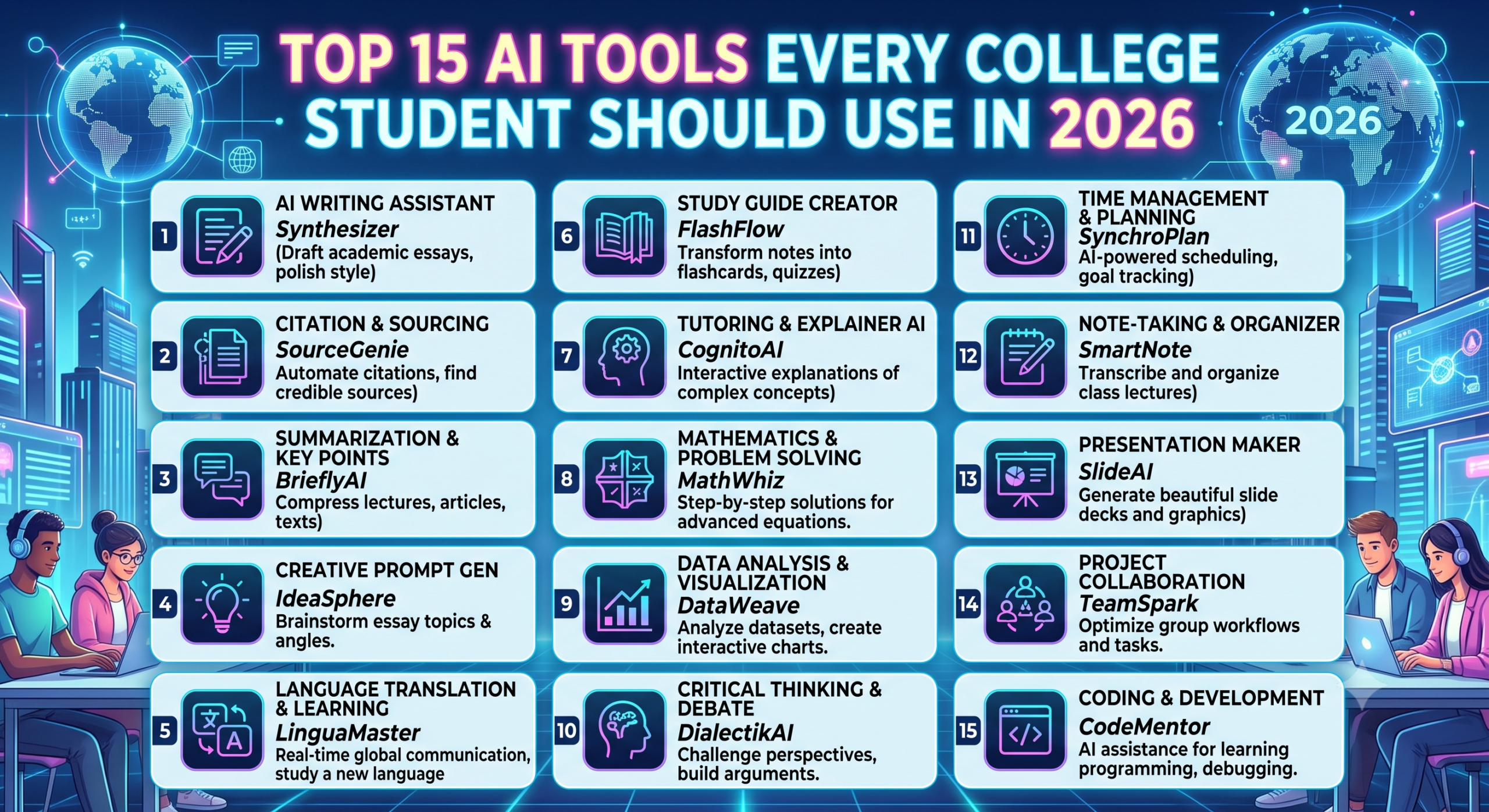
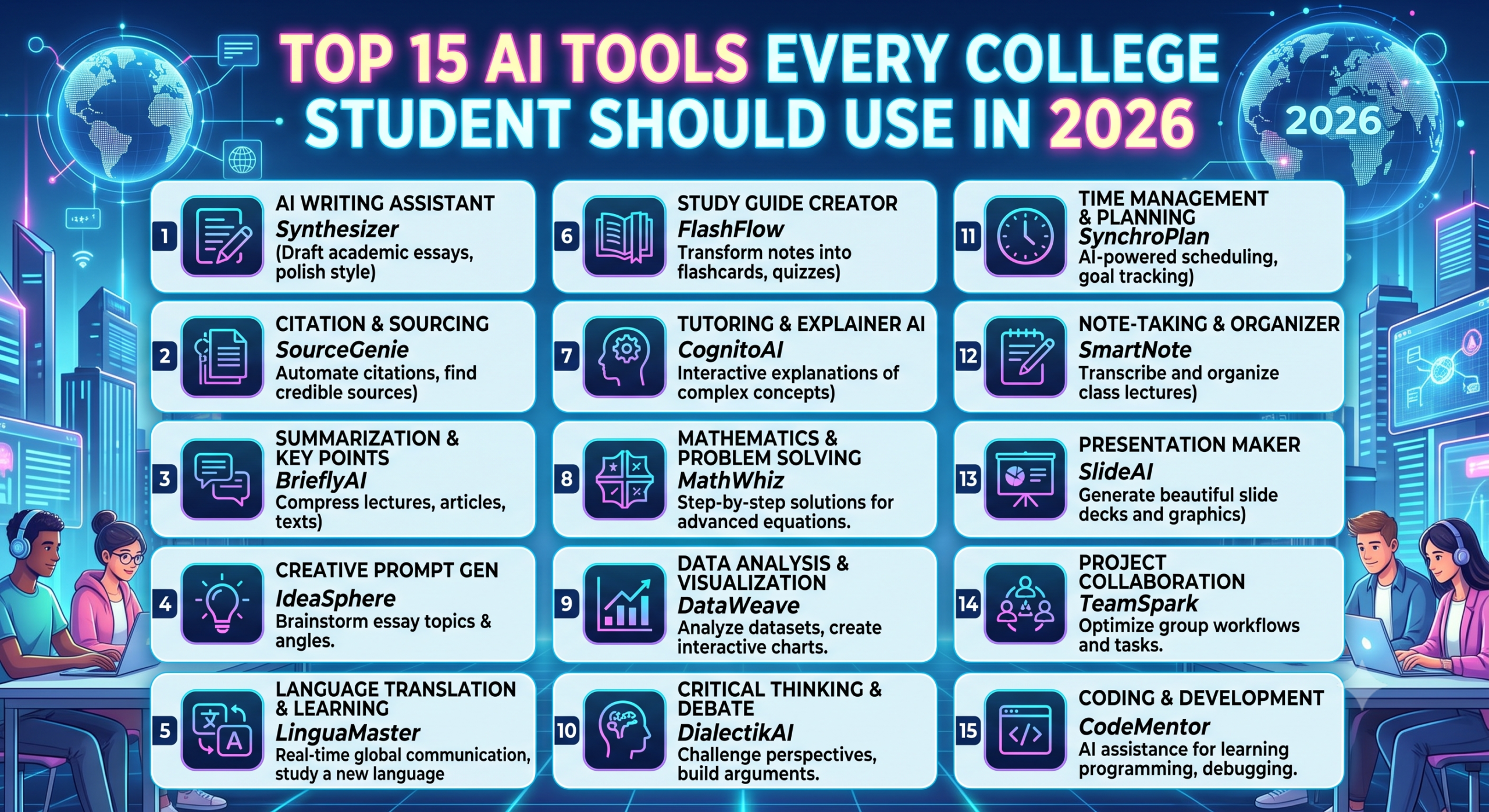
13. Not Learning About AI and Emerging Technologies
Artificial Intelligence is changing almost every industry.
Students who understand AI tools and digital technologies will have a significant advantage.
You don’t need to become an AI engineer, but you should learn how AI can improve productivity in your field.
14. Choosing Comfort Over Growth
It’s easy to stay within your comfort zone.
However, personal growth happens when you challenge yourself.
Try:
- Leadership positions
- Public speaking
- Freelancing
- Competitions
- Research projects
- New technologies
Each new experience helps you grow professionally.
15. Waiting Until Graduation to Plan Your Career
One of the biggest mistakes students make is postponing career planning until the final semester.
Instead, start early by:
- Exploring different career paths
- Identifying your interests
- Learning relevant skills
- Building a portfolio
- Applying for internships
- Seeking mentors
The earlier you start, the more opportunities you’ll have.
How to Build a Strong Career During College
Instead of focusing only on avoiding mistakes, develop habits that support long-term success.
Here are a few practical strategies:
Learn One New Skill Every Semester
Whether it’s programming, public speaking, data analysis, or digital marketing, continuous learning keeps you competitive.
Complete Meaningful Projects
Apply classroom knowledge by creating projects that solve real problems. These experiences strengthen your portfolio and improve your confidence.
Build Your Professional Brand
Keep your LinkedIn profile updated, share your achievements, and connect with industry professionals. Recruiters often search for candidates online before scheduling interviews.
Seek Practical Experience
Participate in internships, freelance projects, volunteer work, hackathons, and student organizations. These experiences help you develop workplace skills and expand your network.
Stay Curious
Read books, follow industry leaders, attend workshops, and keep up with emerging technologies. A habit of lifelong learning will benefit your career long after graduation.
Final Thoughts
College is much more than attending lectures and passing exams. It’s the best time to build the skills, experiences, and professional network that will shape your future career.
By avoiding these common mistakes and making the most of your college years, you can graduate with far more than a degree. You’ll have practical experience, industry-relevant skills, confidence, and a strong foundation for long-term success.
Remember, your career isn’t built in your final semester. It’s built through the choices you make every day during your college journey. Start investing in yourself today, and your future self will thank you.