Landing your first job has become more competitive than ever. In 2026, employers are no longer hiring candidates based only on their college degree or academic marks. They want graduates who can solve problems, adapt to new technologies, communicate effectively, and contribute from day one.
With Artificial Intelligence (AI), automation, and digital transformation reshaping industries, companies are looking for freshers who possess a combination of technical expertise and essential workplace skills.
If you’re preparing for placements or off-campus opportunities, here are the top 10 skills employers will value in 2026.
1. AI Literacy
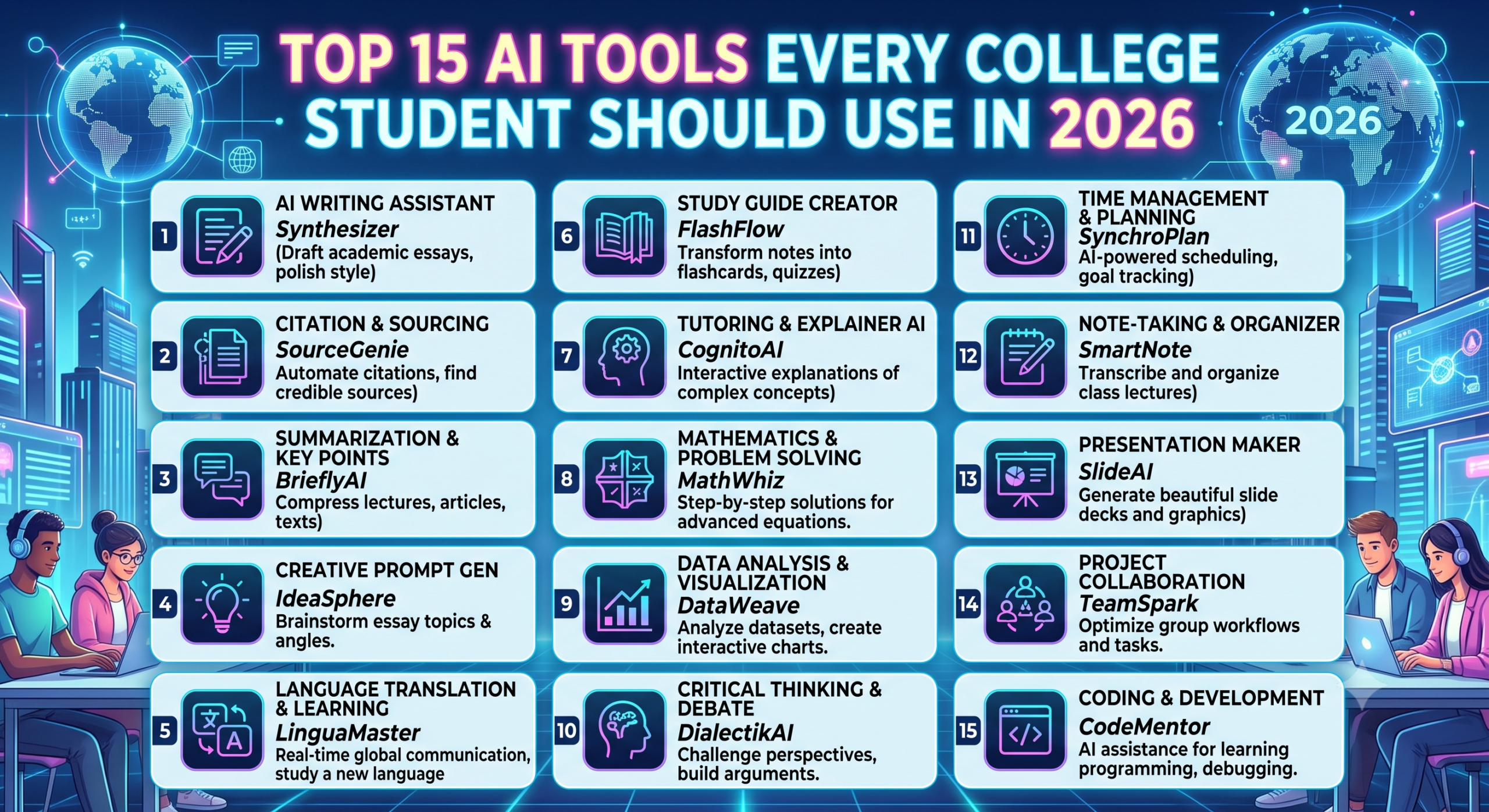
AI is becoming part of everyday work across industries. Whether you’re in software development, marketing, finance, or HR, understanding how to use AI tools efficiently is a major advantage.
Learn tools like:
- ChatGPT
- Google Gemini
- Microsoft Copilot
- Claude
- Perplexity AI
Why employers value it:
Candidates who know how to use AI responsibly can improve productivity, automate repetitive tasks, and make better decisions.
2. Communication Skills
Strong communication remains one of the most important workplace skills.
Employers expect freshers to:
- Speak confidently
- Write professional emails
- Present ideas clearly
- Collaborate with teammates
- Communicate with clients
Good communication often sets top candidates apart during interviews and at work.
3. Problem-Solving Ability
Companies hire people to solve problems, not just complete tasks.
Employers look for candidates who can:
- Analyze situations
- Think logically
- Identify solutions
- Make informed decisions
Develop this skill through coding challenges, case studies, and real-world projects.
4. Digital Skills
Every profession now requires digital proficiency.
Important skills include:
- Microsoft Excel
- Google Workspace
- Power BI
- SQL
- Data Analysis
- Presentation Tools
Even non-technical roles increasingly require strong digital skills.
5. Adaptability and Continuous Learning
Technology evolves rapidly. Employers want people who can keep learning throughout their careers.
Show your willingness to learn by:
- Completing certifications
- Exploring new technologies
- Participating in workshops
- Building personal projects
A growth mindset is highly valued.
6. Technical Skills
Your technical knowledge should match your career goals.
For Software Students
- Python
- Java
- JavaScript
- React
- Node.js
- SQL
- Git
- Cloud Basics
For Business Students
- Excel
- Power BI
- Financial Analysis
- Digital Marketing
- CRM Tools
For Designers
- Figma
- Adobe Photoshop
- Illustrator
- UI/UX Design
Employers expect freshers to have practical knowledge rather than just theoretical understanding.
7. Teamwork and Collaboration
Most projects involve working with multiple people.
Employers value candidates who can:
- Work in teams
- Respect different opinions
- Share responsibilities
- Support colleagues
- Handle feedback professionally
Group projects, internships, and volunteer work help build this skill.
8. Time Management
Managing deadlines efficiently is essential in every job.
Good time management includes:
- Prioritizing tasks
- Meeting deadlines
- Planning work effectively
- Avoiding procrastination
- Maintaining work quality under pressure
Candidates who demonstrate reliability often gain employers’ trust quickly.
9. Emotional Intelligence (EQ)
Technical expertise alone is not enough.
Employers appreciate people who:
- Handle workplace stress
- Understand others’ perspectives
- Resolve conflicts
- Accept constructive criticism
- Build positive relationships
High emotional intelligence contributes to better teamwork and leadership potential.
10. Professionalism and Work Ethics
Employers notice attitude just as much as ability.
Professional employees:
- Arrive on time
- Take responsibility
- Maintain honesty
- Respect workplace policies
- Stay committed to delivering quality work
A positive attitude can significantly influence long-term career growth.
Bonus Skills That Give You an Extra Advantage
If you want to stand out from other freshers, consider learning:
- Public Speaking
- Prompt Engineering
- Cybersecurity Basics
- Cloud Computing
- Data Visualization
- Video Editing
- SEO
- Content Writing
- Project Management
- Financial Literacy
These skills increase your versatility and employability.
How Students Can Develop These Skills
You don’t have to wait until graduation. Start building these skills during college by:
- Completing internships
- Participating in hackathons and competitions
- Working on personal or freelance projects
- Earning industry-recognized certifications
- Joining college clubs and student organizations
- Building a portfolio or GitHub profile
- Practicing mock interviews
- Learning through online platforms
Consistent effort over time makes a big difference.
Common Mistakes Freshers Make
Avoid these common pitfalls:
- Depending only on academic marks
- Ignoring communication skills
- Not creating a portfolio
- Avoiding internships
- Not learning AI tools
- Weak LinkedIn profile
- Poor resume formatting
- Lack of interview preparation
Addressing these areas can significantly improve your job prospects.
Final Thoughts
The hiring landscape in 2026 is evolving rapidly. Employers are looking beyond degrees and expecting freshers to demonstrate practical skills, adaptability, and the ability to work effectively with modern technologies.
By focusing on AI literacy, communication, technical expertise, problem-solving, and professionalism, you’ll be better prepared to succeed in interviews and thrive in your first job.
Start learning today, build real-world experience, and continuously improve your skills. The students who invest in themselves now will be the professionals leading tomorrow’s workforce.
Frequently Asked Questions (FAQs)
Which skill is most important for freshers in 2026?
AI literacy, communication skills, and problem-solving are among the most sought-after skills by employers.
Do employers care more about skills than degrees?
Many employers value practical skills, projects, internships, and certifications alongside a degree.
How can I improve my employability while in college?
Gain internship experience, work on projects, learn AI tools, improve communication, and build a strong portfolio.
Are AI skills necessary for non-technical students?
Yes. AI tools are being used in marketing, HR, finance, education, sales, and many other industries.
How many skills should a fresher focus on?
Start with a strong foundation in communication, AI literacy, digital skills, and technical knowledge relevant to your chosen career, then expand gradually.