Graduating from college is an exciting milestone, but it can also be overwhelming. Every year, millions of students enter the job market with similar degrees, hoping to secure their dream job. While a degree remains an important qualification, employers today expect much more than academic knowledge.
Companies are looking for graduates who can communicate effectively, solve real-world problems, adapt to new technologies, and contribute from their first day at work. That’s why becoming job-ready before graduation is one of the smartest investments you can make in your future.
The good news is that you don’t have to wait until your final semester to prepare. By developing the right skills, gaining practical experience, and building a strong professional profile during college, you can graduate with confidence and stand out in a competitive job market.
This guide will help you understand what it means to be job-ready and the practical steps you can start taking today.
What Does Being Job-Ready Mean?
Being job-ready means having the knowledge, skills, attitude, and practical experience that employers expect from entry-level professionals.
It’s not just about scoring high marks or earning a degree. It also means being able to apply your learning, work with others, solve problems, and adapt to workplace challenges.
A job-ready graduate typically has:
- Industry-relevant skills
- Practical project experience
- Good communication abilities
- Problem-solving skills
- A professional resume
- A strong LinkedIn profile
- Internship or freelance experience
- Confidence during interviews
The more of these qualities you develop before graduation, the stronger your chances of getting hired.
Why Employers Look Beyond Degrees
Many companies receive hundreds or even thousands of applications for a single graduate role. Since most candidates have similar educational qualifications, recruiters use other factors to identify the best fit.
They often evaluate:
- Technical skills
- Real-world projects
- Internship experience
- Communication skills
- Teamwork
- Leadership potential
- Adaptability
- Continuous learning
This is why two students with the same degree can have very different career outcomes.
Step 1: Identify Your Career Goal
Before learning new skills, decide which career path interests you.
Ask yourself:
- Do I want to become a software developer?
- Am I interested in digital marketing?
- Do I enjoy data analysis?
- Would I like to work in finance?
- Do I want to become a UI/UX designer?
- Am I interested in cloud computing or cybersecurity?
Having a clear direction helps you focus your learning instead of trying to master everything.
Step 2: Build Industry-Relevant Skills
Once you’ve chosen your career path, begin learning the skills employers expect.
Some of the most valuable skills include:
Technical Skills
- Artificial Intelligence (AI)
- Python
- SQL
- Excel
- Power BI
- Cloud Computing
- Cybersecurity
- Digital Marketing
- Web Development
- UI/UX Design
Workplace Skills
- Communication
- Teamwork
- Problem-solving
- Critical thinking
- Time management
- Leadership
- Adaptability
Combining technical expertise with strong interpersonal skills makes you a well-rounded candidate.
Step 3: Work on Real Projects
Projects demonstrate your ability to apply knowledge in practical situations.
Instead of simply listing skills on your resume, build projects that showcase them.
Examples include:
- Portfolio website
- Mobile application
- AI chatbot
- Business dashboard
- E-commerce website
- Marketing campaign
- Research project
- Data visualization dashboard
These projects become valuable discussion points during interviews.
Step 4: Gain Practical Experience
Experience doesn’t always mean a full-time job.
You can build experience through:
- Internships
- Freelancing
- Volunteering
- College clubs
- Student competitions
- Open-source contributions
- Research work
Every practical experience helps develop workplace skills and strengthens your resume.
Step 5: Create a Professional Resume
Your resume is often the first impression recruiters have of you.
Include:
- Contact Information
- Career Objective
- Education
- Skills
- Projects
- Certifications
- Internships
- Achievements
- Positions of Responsibility
Keep your resume concise, well-organized, and tailored to each job application.
Step 6: Build a Strong LinkedIn Profile
LinkedIn has become an essential platform for students and professionals.
A complete profile should include:
- Professional photo
- Clear headline
- About section
- Education
- Skills
- Projects
- Certifications
- Volunteer work
Share your achievements, engage with industry content, and connect with professionals in your field.
Many recruiters actively search LinkedIn for promising candidates.
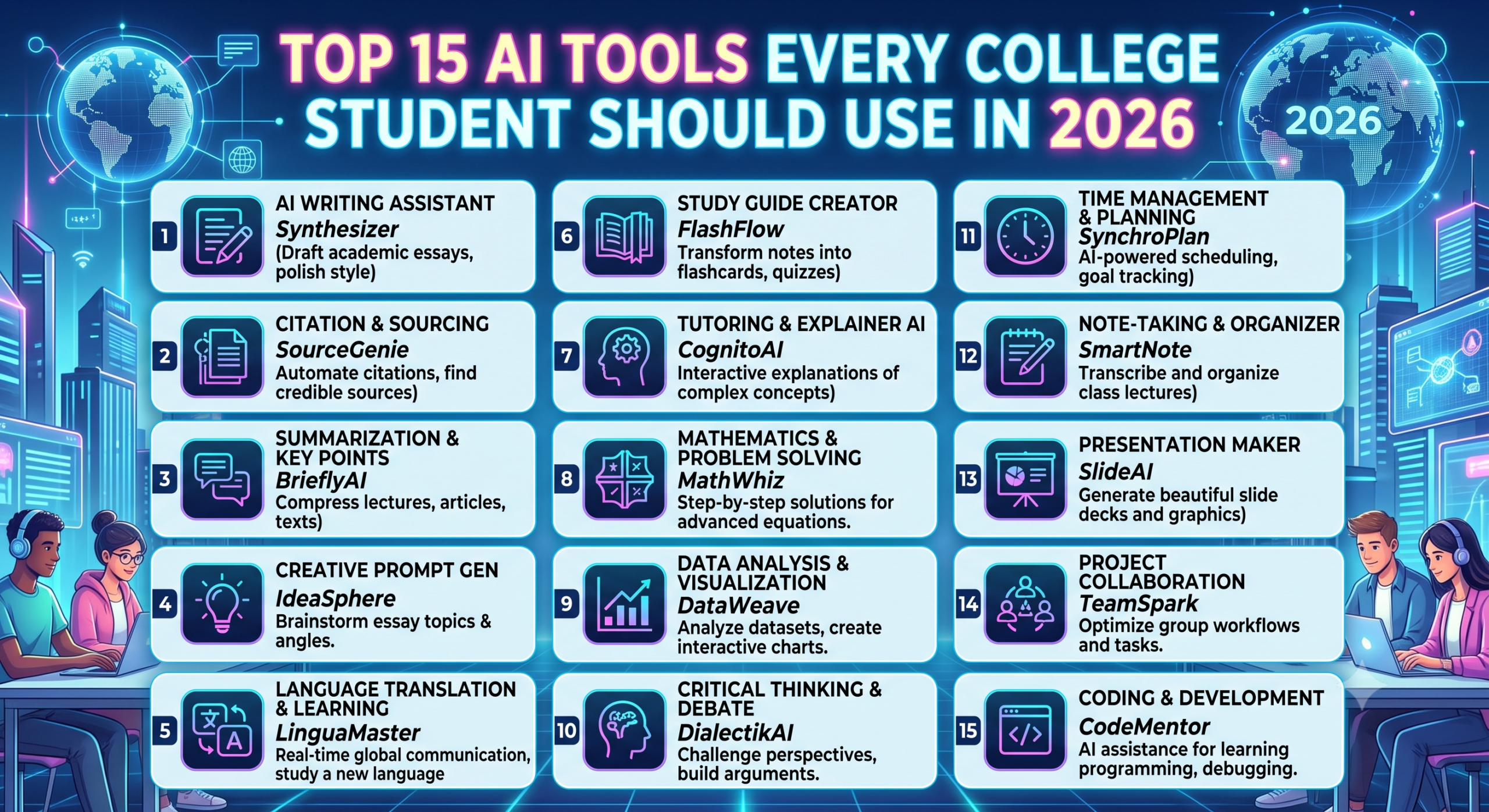
Step 7: Learn How to Use AI Effectively
Artificial Intelligence is transforming almost every industry.
Students who know how to use AI responsibly can work more efficiently and improve their productivity.
Use AI tools to:
- Brainstorm ideas
- Learn programming
- Improve writing
- Analyze data
- Practice interview questions
- Summarize research
Remember, AI should support your learning, not replace your critical thinking.
Step 8: Improve Your Communication Skills
Excellent communication can set you apart from candidates with similar technical abilities.
Practice:
- Public speaking
- Presentation skills
- Group discussions
- Professional emails
- Active listening
Confidence grows with practice.
Step 9: Earn Relevant Certifications
Industry-recognized certifications show employers that you’re committed to learning.
Popular certification areas include:
- Google Career Certificates
- Microsoft Learn
- AWS Cloud
- HubSpot
- Meta
- Cisco
- IBM
Choose certifications that align with your career goals.
Step 10: Prepare for Job Interviews
Interview preparation should begin long before your first interview.
Practice answering common questions like:
- Tell me about yourself.
- Why should we hire you?
- Describe one of your projects.
- What are your strengths?
- What challenges have you faced?
- Where do you see yourself in five years?
Conduct mock interviews with friends, mentors, or career counselors to improve your confidence.
Step 11: Build a Portfolio
A portfolio allows employers to see your work rather than simply read about it.
Include:
- Projects
- Case studies
- GitHub repositories
- Design work
- Research papers
- Marketing campaigns
- Blogs
- Certificates
A strong portfolio often makes a lasting impression.
Step 12: Stay Updated with Industry Trends
Industries evolve continuously.
Stay informed by:
- Reading blogs
- Following industry experts
- Watching webinars
- Listening to podcasts
- Joining professional communities
Being aware of current trends shows employers that you’re proactive and curious.
Common Mistakes Students Should Avoid
Many students unknowingly delay their career growth by making avoidable mistakes.
Some common ones include:
- Waiting until the final semester to prepare
- Applying without customizing resumes
- Ignoring internships
- Avoiding networking
- Depending only on classroom learning
- Not building projects
- Ignoring communication skills
- Giving up after a few rejections
Avoiding these mistakes can significantly improve your career prospects.
A Simple Job-Ready Checklist
Before graduation, aim to complete the following:
✔ Learn at least one high-demand technical skill.
✔ Complete two or three meaningful projects.
✔ Build a professional resume.
✔ Create a strong LinkedIn profile.
✔ Gain internship or freelance experience.
✔ Develop communication and teamwork skills.
✔ Earn relevant certifications.
✔ Prepare for interviews.
✔ Build an online portfolio.
✔ Stay updated with industry trends.
Completing these steps will put you ahead of many graduates entering the job market.
Final Thoughts
Becoming job-ready before graduation isn’t about doing everything at once. It’s about making consistent progress throughout your college journey.
Every new skill you learn, every project you complete, and every internship you pursue brings you closer to your career goals.
The job market rewards students who take initiative, stay curious, and continuously improve themselves. By combining academic knowledge with practical experience, communication skills, and a growth mindset, you’ll graduate not only with a degree but with the confidence and capabilities employers are looking for.
Start preparing today. The effort you invest before graduation can open doors to internships, job offers, and a successful career that lasts for years to come.