
Table of Contents
- Why Everyone Is Talking About AI
- Is AI Really Taking Away Jobs?
- Jobs That AI Can Easily Automate
- Careers That Are Growing Because of AI
- Jobs AI Cannot Replace Easily
- Skills Every Student Should Develop
- How Students Can Prepare for an AI-Powered Future
- Common Myths About AI
- Final Thoughts
- Frequently Asked Questions
Imagine This…
You’re sitting in your college classroom when a friend says,
“In five years, AI will replace most jobs. What’s the point of studying?”
Another friend immediately replies,
“No, AI will only help people work faster.”
You’ve probably heard conversations like this on social media, in college, or even at home.
Artificial Intelligence has become one of the hottest topics in the world. Every week, there’s news about a new AI tool that writes articles, creates videos, solves coding problems, or even designs websites.
It’s natural for students to wonder:
“Will there still be jobs when I graduate?”
The short answer is yes.
But the jobs you do and the skills employers expect may look very different from today.
Why Is AI Growing So Fast?
Artificial Intelligence isn’t new.
It’s been around for decades.
What’s changed is that AI has become much smarter, faster, and accessible to everyone.
Today, businesses use AI to:
- Answer customer questions
- Analyze large amounts of data
- Create reports
- Translate languages
- Detect fraud
- Recommend products
- Assist doctors
- Help teachers prepare lessons
Instead of spending hours on repetitive work, companies can now complete many tasks in minutes.
That’s why AI adoption is growing across almost every industry.
Will AI Really Replace Jobs?
This is the question every student asks.
The answer is:
AI will replace some tasks, not all jobs.
Think about calculators.
When calculators became common, people didn’t stop learning mathematics.
Instead, calculators helped people solve problems faster.
AI is similar.
It automates repetitive work so people can focus on creative thinking, decision-making, communication, and innovation.
Rather than replacing humans completely, AI is changing how people work.
Jobs That Are Most Likely to Change
Some jobs involve repetitive tasks that follow fixed rules.
These roles are more likely to be affected by automation.
Examples include:
- Basic data entry
- Routine bookkeeping
- Simple customer support
- Scheduling appointments
- Basic report generation
- Repetitive administrative work
This doesn’t mean these careers will disappear overnight.
Instead, professionals working in these fields will need to learn new tools and take on more complex responsibilities.
Careers That Are Growing Because of AI
While AI automates certain tasks, it’s also creating entirely new opportunities.
Some of the fastest-growing careers include:
Artificial Intelligence Engineer
Professionals who design intelligent software and machine learning systems.
Data Scientist
Experts who analyze information and help companies make smarter decisions.
Cybersecurity Specialist
As businesses become more digital, protecting systems and customer data has become more important than ever.
Prompt Engineer
A relatively new role where professionals learn how to communicate effectively with AI tools to produce better results.
AI Product Manager
These professionals help businesses develop products powered by Artificial Intelligence.
Robotics Engineer
Robotics combines engineering with AI to build intelligent machines used in healthcare, manufacturing, logistics, and agriculture.
Jobs AI Cannot Easily Replace
Despite rapid technological progress, some jobs depend heavily on human qualities.
Examples include:
- Teachers
- Doctors
- Nurses
- Psychologists
- Architects
- Entrepreneurs
- Researchers
- Lawyers
- Skilled trades
- Business leaders
Why?
Because these careers require empathy, ethical decision-making, leadership, creativity, and human relationships.
AI can assist these professionals, but it cannot replace the trust people place in them.
Skills That Will Matter More Than Ever
The future belongs to students who combine technical knowledge with human skills.
Some of the most valuable skills include:
Communication
Being able to explain ideas clearly will always be valuable.
Critical Thinking
AI can provide answers.
Humans decide whether those answers make sense.
Problem Solving
Companies want people who can solve real business challenges.
Creativity
Original ideas cannot easily be copied by machines.
Emotional Intelligence
Understanding people, managing emotions, and working in teams remain uniquely human strengths.
Digital Literacy
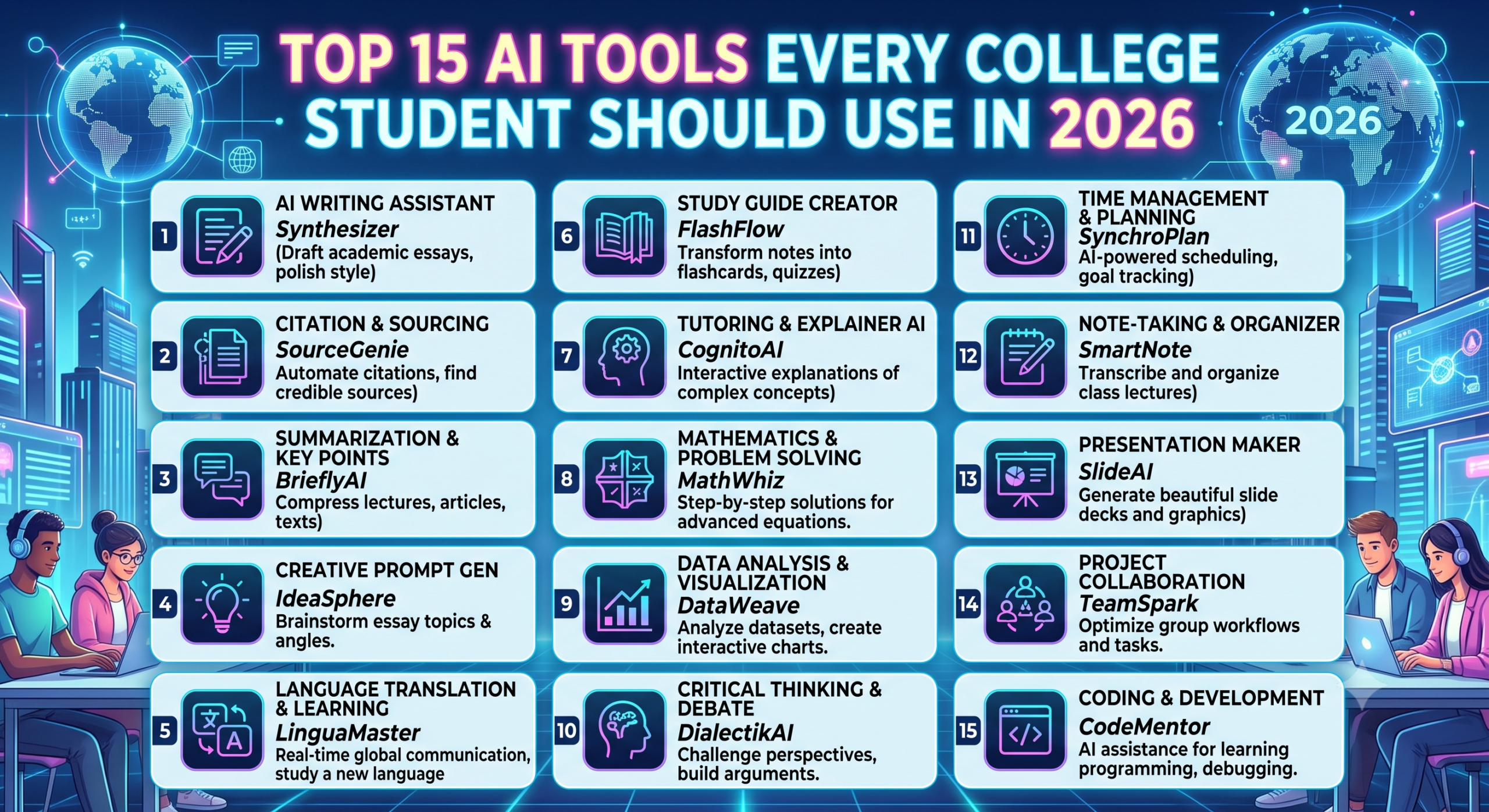
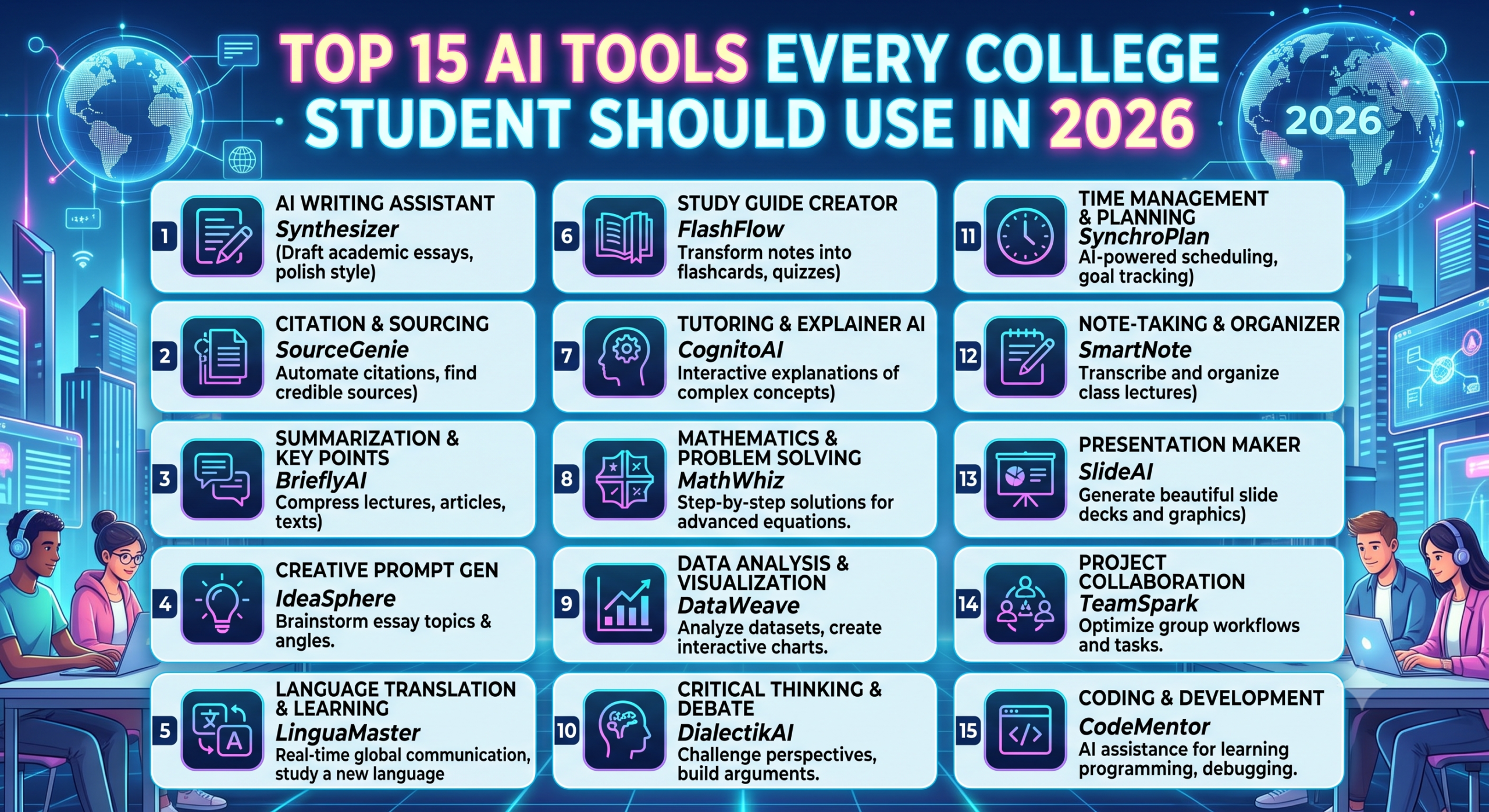
Every student should understand how modern technology works, including AI tools.
Should Students Learn AI?
Absolutely.
Learning AI doesn’t mean you need to become a programmer.
Even students studying commerce, arts, medicine, law, or business can benefit from understanding AI.
For example:
A law student can use AI to summarize legal documents.
A marketing student can generate campaign ideas.
A medical student can organize research papers.
An engineering student can debug code.
The key is to use AI responsibly, not depend on it completely.
Common Myths About AI
Myth 1
AI will replace every job.
Reality:
AI will automate repetitive work, but new careers will continue to emerge.
Myth 2
Only Computer Science students need AI.
Reality:
AI is becoming useful in healthcare, education, finance, design, law, and almost every profession.
Myth 3
Learning AI is difficult.
Reality:
Many beginner-friendly AI tools require no coding experience.
How Students Can Prepare Today
Instead of worrying about the future, start building skills now.
Here’s a practical plan:
- Learn one new digital skill every six months.
- Build personal projects.
- Improve your communication.
- Create a LinkedIn profile.
- Complete internships.
- Stay updated with technology news.
- Learn how AI works instead of fearing it.
These small habits can make a significant difference over time.
Final Thoughts
Artificial Intelligence is changing the workplace, but it isn’t replacing human potential.
Students who adapt, stay curious, and continue learning will have more opportunities than ever before.
Instead of asking,
“Will AI replace me?”
Ask yourself,
“How can I use AI to become better at what I do?”
That simple shift in mindset can make all the difference.
The future won’t belong to people who compete against AI.
It will belong to people who know how to work with AI while bringing creativity, empathy, and critical thinking that machines cannot replicate.
Frequently Asked Questions
Will AI replace engineers?
AI will automate some coding and repetitive tasks, but engineers who understand AI and continue learning new technologies will remain in demand.
Which jobs are safest from AI?
Jobs involving creativity, leadership, emotional intelligence, healthcare, education, and strategic decision-making are less likely to be fully automated.
Should school students start learning AI?
Yes. Basic AI literacy can help students improve productivity and prepare for future careers, regardless of their field of study.
Is AI good or bad for students?
AI is a powerful learning tool when used responsibly. It can help explain concepts, organize information, an