
Imagine two students graduating from college in the same year.
Both have similar marks. Both hold the same degree.
But six months later, one student has already secured a good job, while the other is still searching for opportunities.
What made the difference?
In many cases, it isn’t the degree alone. It’s the skills that each student developed during college.
A college degree is still important. It opens doors, helps you qualify for interviews, and gives you academic knowledge. However, today’s employers are also looking for candidates who can solve problems, communicate effectively, adapt to new technology, and contribute from day one.
In 2026, the conversation has shifted from “Which degree do you have?” to “What can you actually do?”
Why Employers Are Focusing More on Skills
The workplace has changed dramatically over the last few years.
Businesses are adopting Artificial Intelligence, automation, cloud computing, and digital tools at a rapid pace. Because of this, companies want employees who can learn quickly and apply their knowledge in real situations.
A degree shows that you’ve completed your education.
Skills show that you’re ready to work.
That’s why recruiters increasingly assess candidates through projects, internships, coding challenges, case studies, and communication rather than relying only on academic marks.
Does This Mean Degrees Are No Longer Important?
Not at all.
A degree still plays an important role.
Many professions such as medicine, law, engineering, teaching, and architecture require formal education and recognized qualifications.
However, having only a degree without practical skills may make it harder to stand out in today’s competitive job market.
Think of your degree as the foundation of a house.
Your skills are everything you build on top of it.
Skills That Employers Value in 2026
The most successful candidates usually combine technical knowledge with practical abilities.
Some of the most valuable skills include:
- Communication
- Problem-solving
- Critical thinking
- Teamwork
- Digital literacy
- AI awareness
- Time management
- Leadership
- Adaptability
- Creativity
These skills are useful regardless of the career you choose.
Technical Skills That Can Boost Your Career
Students should also consider learning practical technical skills alongside their college studies.
Examples include:
- Microsoft Excel
- SQL
- Power BI
- Python
- Digital Marketing
- Graphic Design
- Video Editing
- UI/UX Design
- Data Analytics
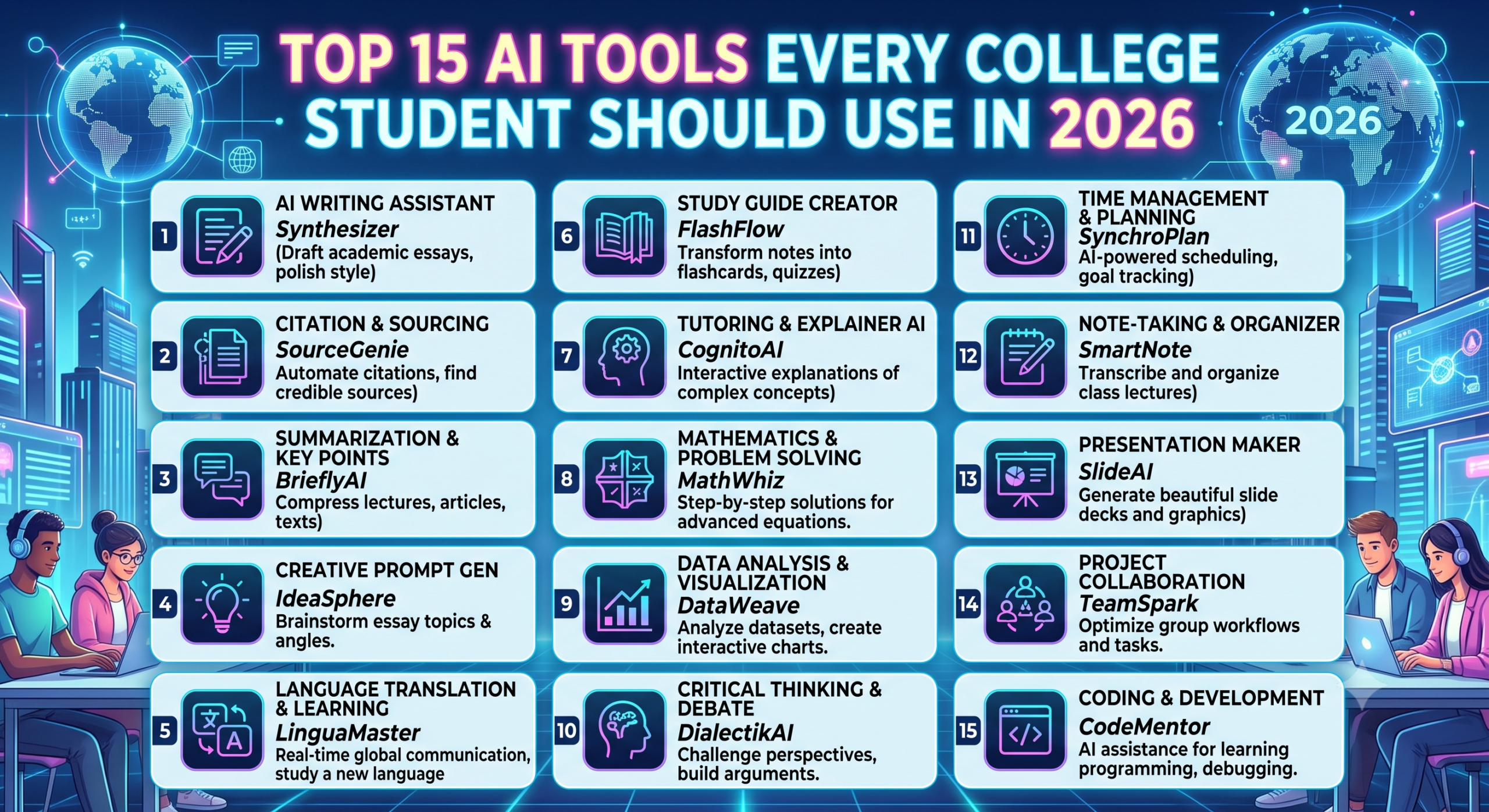
- Artificial Intelligence tools
Learning even one of these skills can improve your confidence and increase your employability.
Experience Matters Too
Imagine you’re a recruiter interviewing two candidates.
The first candidate has excellent marks but no practical experience.
The second candidate has average marks but has completed internships, built personal projects, and earned relevant certifications.
In many situations, the second candidate leaves a stronger impression because they have already applied their knowledge in real-world situations.
That’s why internships, freelance work, hackathons, volunteering, and personal projects have become so valuable.
How Students Can Build Skills During College
The good news is that you don’t need expensive courses to improve your skills.
You can start by:
- Taking free online courses
- Building personal projects
- Participating in competitions
- Reading books regularly
- Practicing communication
- Learning AI tools responsibly
- Completing internships
- Creating a LinkedIn profile
- Networking with professionals
Small efforts made consistently over time often produce the biggest results.
Don’t Compare Your Journey
It’s easy to feel pressured when you see classmates posting internship offers or job announcements on social media.
Remember, everyone moves at a different pace.
Instead of comparing your progress with others, compare yourself with who you were six months ago.
If you’re learning something new, improving your communication, or becoming more confident, you’re already moving in the right direction.
Final Thoughts
The debate between degrees and skills doesn’t need a winner.
The truth is, both matter.
Your degree provides knowledge, credibility, and opportunities.
Your skills help you turn those opportunities into a successful career.
The students who thrive in the future won’t be the ones with the longest list of certificates. They’ll be the ones who continue learning, adapting, and improving throughout their lives.
Start building your skills today. Your future self will thank you.
Frequently Asked Questions
Is a degree enough to get a job in 2026?
A degree remains valuable, but employers increasingly look for practical skills, internships, projects, and communication abilities alongside academic qualifications.
Which skills should every student learn?
Communication, digital literacy, problem-solving, critical thinking, teamwork, and basic AI awareness are useful across almost every profession.
Can I build skills without spending a lot of money?
Yes. Many high-quality learning resources are available through free online platforms, open educational content, and community projects.
Which is more important: marks or skills?
Both are important. Good academic performance can open doors, while practical skills help you succeed during interviews and in the workplace.