
Just a few years ago, attending classes meant sitting in a classroom, listening to teachers, and taking notes in a notebook. Today, students can learn almost anything with just a laptop or smartphone.
Online learning has become a normal part of education. From recorded lectures and live classes to AI-powered study tools, students now have more ways to learn than ever before.
But this raises an important question:
Is online learning better than traditional classroom education?
The answer isn’t as simple as choosing one over the other. Both methods have their strengths, and the right choice depends on your learning style, goals, and circumstances.
Let’s take a closer look.
The Rise of Online Learning
The popularity of online education has grown rapidly over the past few years. Students can now access courses from top universities, attend live classes from anywhere, and learn at their own pace.
Whether it’s coding, digital marketing, language learning, or exam preparation, almost every subject is available online.
The biggest advantage is flexibility. Students no longer have to be in a specific place at a specific time to continue learning.
Why Classroom Learning Still Matters
Even with all the technology available today, classrooms continue to play an important role in education.
A classroom offers something that online platforms cannot fully replace—human interaction.
Students can ask questions immediately, participate in discussions, work on group projects, and build friendships that contribute to their overall development.
Teachers can also observe students more closely and provide personalized guidance when needed.
Benefits of Online Learning
Online education has several advantages that make it attractive for students.
Learn at Your Own Pace
Everyone learns differently.
Some students understand concepts quickly, while others need extra time.
Online courses allow learners to pause, replay, and review lessons whenever they want.
Access to Global Resources
Students are no longer limited to local coaching centres or nearby colleges.
Today, they can learn from professors, industry experts, and educational platforms from around the world.
Affordable Learning
Many high-quality courses are available free of cost or at a much lower price than traditional classroom programs.
This makes learning more accessible for students from different backgrounds.
Better Use of Technology
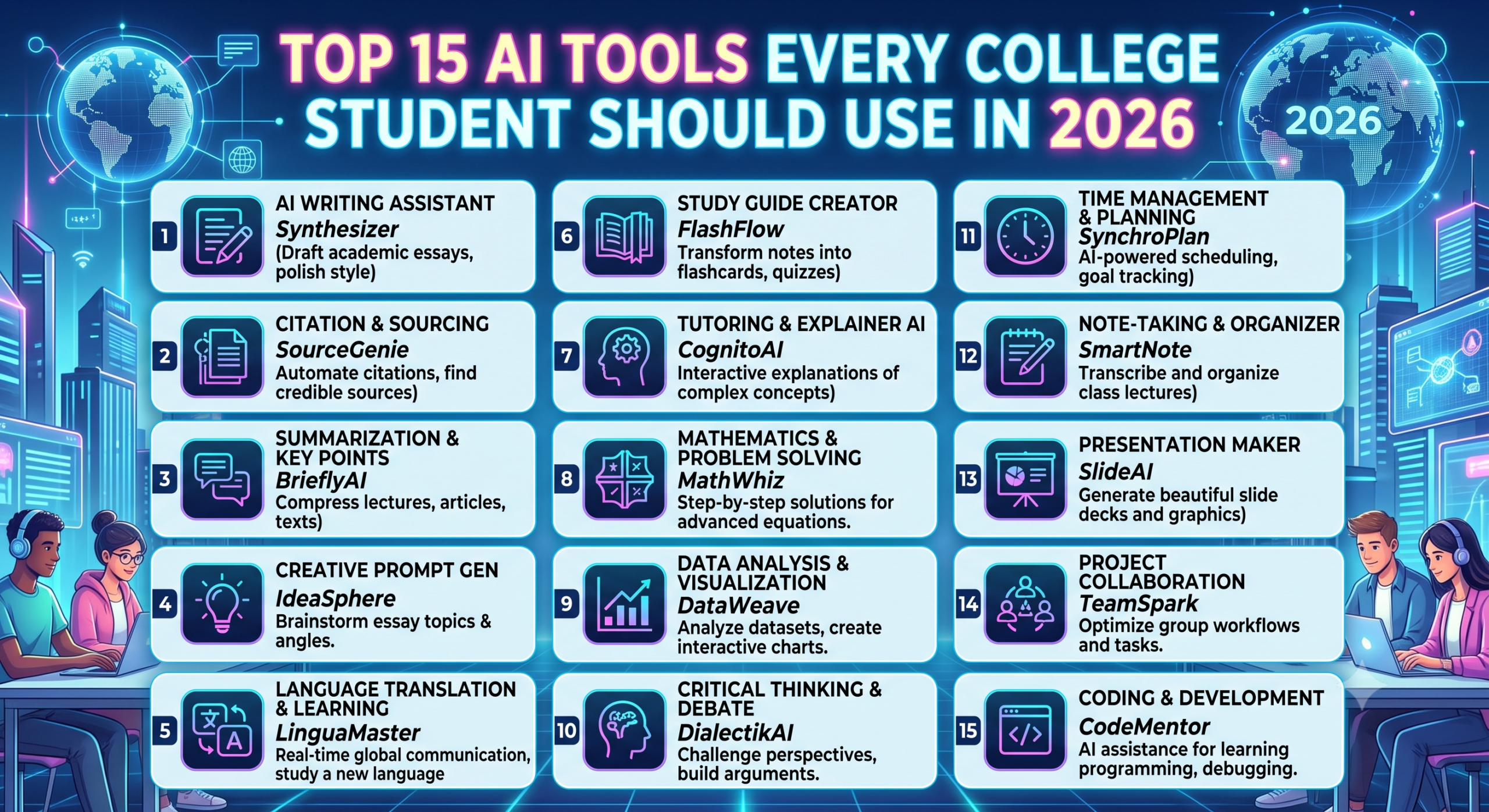
Interactive quizzes, AI tutors, digital notes, and virtual simulations make learning more engaging.
Technology has transformed education into a more personalized experience.
Benefits of Classroom Learning
Despite the growth of online education, classroom learning continues to offer unique advantages.
Better Discipline
Having a fixed schedule helps students develop consistency and time management skills.
Immediate Interaction
Students can ask questions instantly and receive explanations from teachers without waiting.
This often makes difficult concepts easier to understand.
Practical Activities
Laboratories, workshops, presentations, and classroom discussions provide hands-on learning experiences that are difficult to replicate online.
Social Development
School and college life also help students develop communication skills, teamwork, leadership, and confidence.
These experiences are valuable beyond academics.
Challenges of Online Learning
Online learning isn’t perfect.
Some common challenges include:
- Distractions from social media
- Lack of motivation
- Internet connectivity issues
- Limited face-to-face interaction
- Difficulty staying consistent
Students need self-discipline to make the most of online education.
Challenges of Classroom Learning
Traditional education also has its limitations.
Students may experience:
- Long travel times
- Fixed schedules
- Higher expenses
- Limited flexibility
- Large class sizes
These factors can make learning less convenient for some students.
Which Learning Style Is Right for You?
There isn’t one correct answer.
If you’re someone who enjoys independent learning and managing your own schedule, online education may suit you.
If you learn better through classroom discussions, teacher interaction, and structured routines, traditional learning might be the better choice.
Many students find that combining both methods works best.
The Future of Education
Experts believe the future lies in hybrid learning, where classroom teaching is supported by digital technology.
Schools and colleges are increasingly using online platforms for assignments, recorded lectures, and practice tests while continuing classroom teaching for discussions and practical sessions.
This combination allows students to enjoy the best of both worlds.
Tips to Make the Most of Any Learning Method
No matter how you study, a few habits can improve your learning experience:
- Set clear study goals.
- Create a daily study routine.
- Take regular breaks.
- Avoid multitasking.
- Practice what you learn.
- Ask questions whenever you’re confused.
- Revise regularly instead of studying only before exams.
Learning becomes much more effective when you’re consistent.
Final Thoughts
Education is changing, but the purpose remains the same—to help students grow, learn, and prepare for the future.
Online learning offers flexibility and access to global resources, while classroom education provides structure, interaction, and practical experiences.
Instead of asking which method is better, ask yourself:
“Which method helps me learn more effectively?”
The best students are not those who rely only on one approach. They use every available resource to continue learning and improving.
Frequently Asked Questions
Is online learning better than classroom learning?
Both have advantages. Online learning offers flexibility, while classroom learning provides direct interaction and structured guidance.
Can online courses replace college?
Online courses are valuable for skill development, but a college degree still plays an important role in many careers.
What is hybrid learning?
Hybrid learning combines traditional classroom teaching with online learning tools, allowing students to benefit from both approaches.
Which learning method is more effective?
The most effective method depends on your learning style, discipline, and educational goals.